Where fabric becomes form.
Pattern development, cutting, construction, fitting, finishing and quality control—made visible as a sequence of decisions.
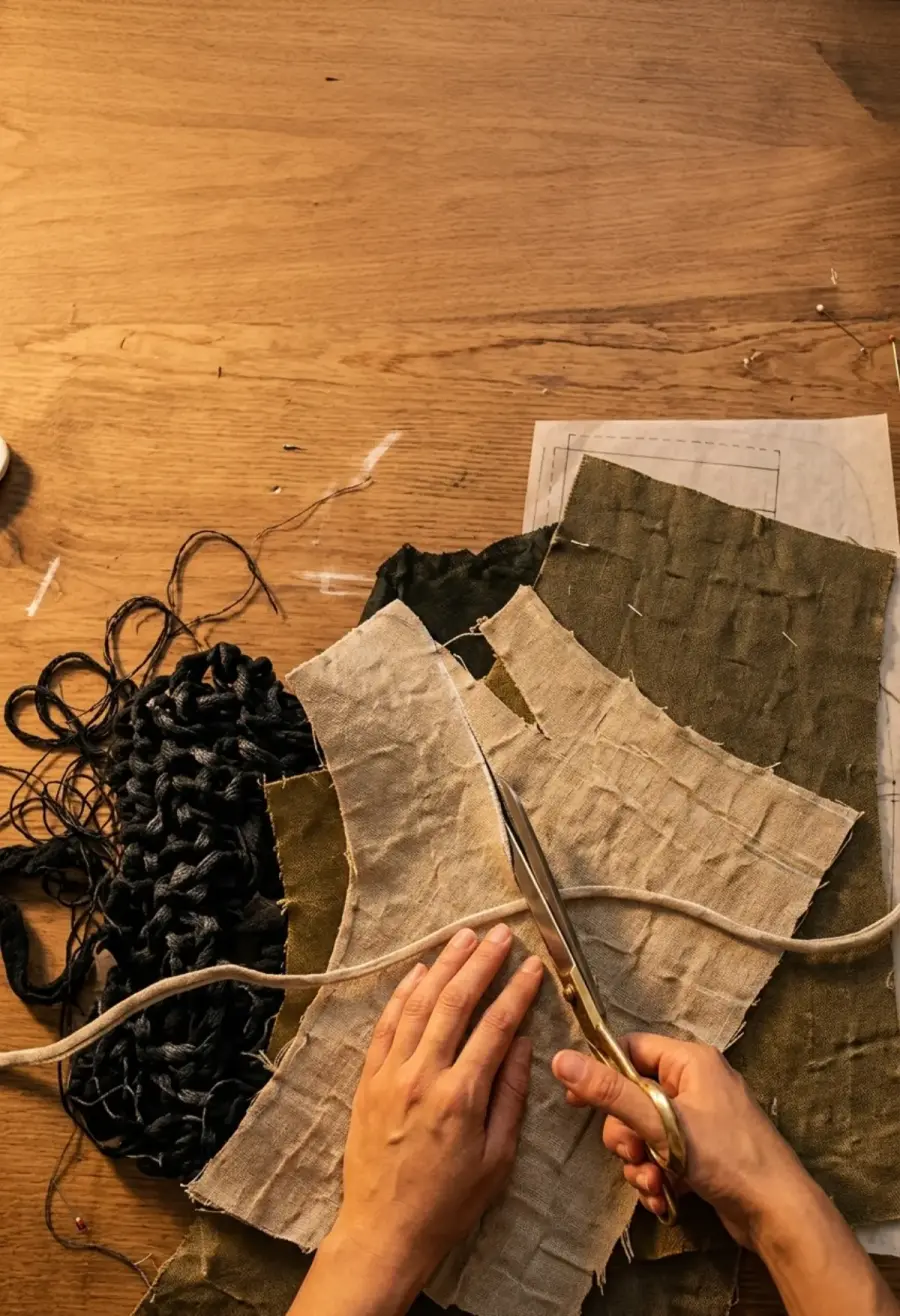
Observation
Fabric is examined before design begins: weight, fall, surface, recovery and movement.
Pattern
The body and material define the structure. Ease is built into the pattern rather than added as excess.
Cutting
Every line has a consequence. Grain, balance and construction order are resolved before assembly.
Construction
The garment is assembled through control and repetition, with visible and hidden details treated as part of one system.
Fitting
The body gives the final instruction. Proportion and movement are checked in use, not only at rest.
Finishing
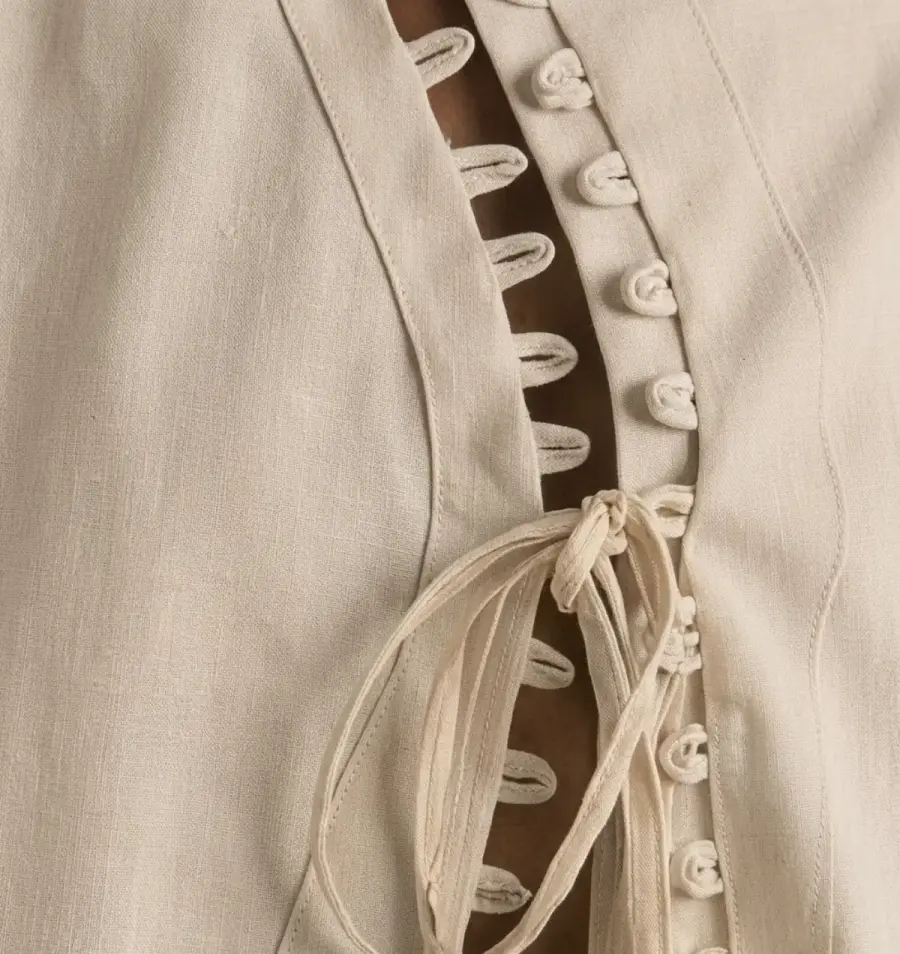
The unseen details determine the quality: closures, internal edges, reinforcement and access for future repair.
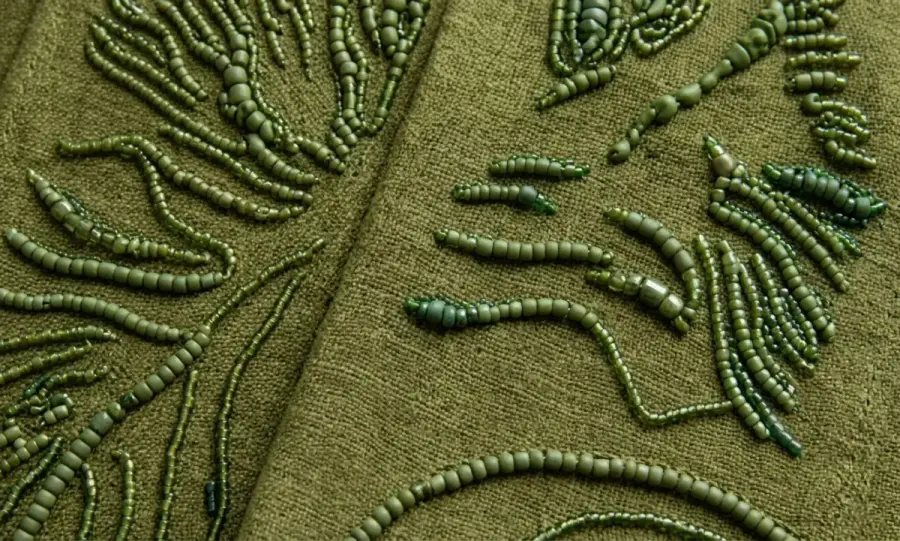
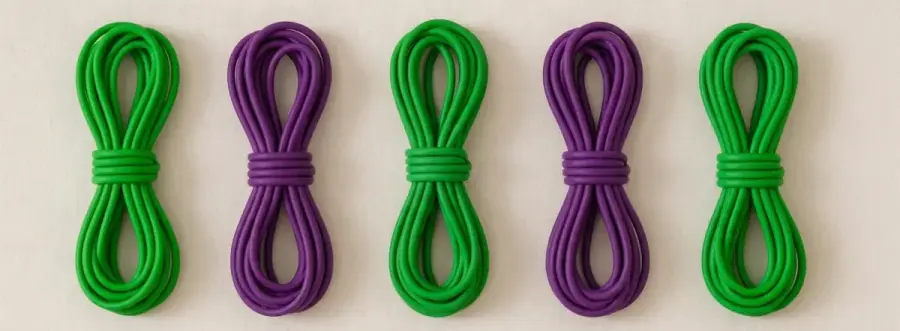
We do not force every material into the same form.
The collection deck proposes cupro, linen, hemp–cotton constructions, lyocell and additional materials still to be confirmed. Each product specification must distinguish confirmed production data from development direction.
Material pages should eventually document composition, origin, fabric behaviour, advantages, limitations, care and verification status.
Made to live longer.
The life of a garment should not end with a loose button, a changing body or a damaged seam.
Repairs
Seams, closures and structural damage reviewed by the atelier.
Alterations
Fit changes assessed against seam allowance, construction and material condition.
Re-sizing
Possible only where the garment and existing construction can support it.
Renewal
Embroidery additions, component replacement or archive reworking reviewed individually.